Qatar Museums Doha: A Professional Guide to Cultural Heritage Institutions
Qatar museums doha represent a dynamic and rapidly evolving cultural landscape. The Museum of Islamic Art, National Museum of Qatar, and Mathaf: Arab Museum of Modern Art are among the key institutions that define this sector. For professionals in heritage and museum studies, understanding these institutions and the professional network provided by ICOM Qatar is essential. This guide offers an authoritative overview of Doha’s museums, their significance, and how to engage with the community.
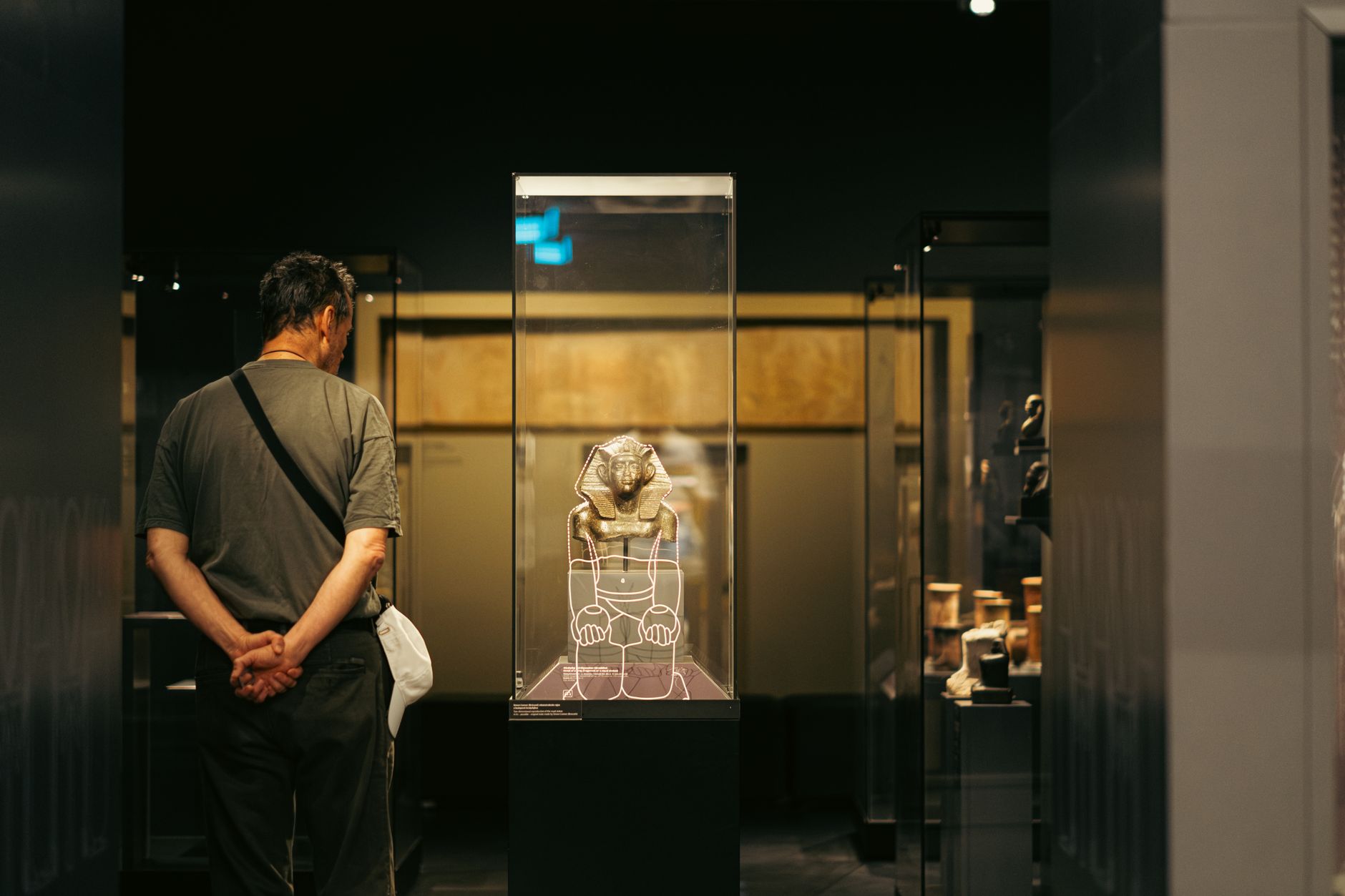
The Museums of Doha: An Overview for Professionals
Doha’s museum sector has grown rapidly over the past two decades, driven by Qatar’s commitment to cultural heritage and international collaboration. The Qatar Museums Authority (QMA) oversees most public museums and works closely with ICOM Qatar to uphold professional standards. Below is a table of the most prominent institutions that every museum professional should know.
| Museum | Focus | Year Opened | Relevance to Professionals |
|---|---|---|---|
| Museum of Islamic Art | Islamic art from three continents | 2008 | World-class collection management and conservation |
| National Museum of Qatar | Qatari history, culture, and natural heritage | 2019 | Innovative exhibition design and archaeological research |
| Mathaf: Arab Museum of Modern Art | Modern and contemporary Arab art | 2010 | Contemporary art curation and education programs |
| 3-2-1 Qatar Olympic and Sports Museum | Sports history, Olympic movement | 2022 | Sports heritage preservation and visitor engagement |
Key Institutions Shaping Qatar’s Museum Sector
The Museum of Islamic Art, designed by I.M. Pei, houses over 14,000 objects from the Islamic world. Its conservation labs are a benchmark for regional best practices. The National Museum of Qatar, with its desert‑rose architecture, presents immersive galleries that explore Qatar’s natural and human history. Mathaf offers a unique platform for Arab modern art, including rotating exhibitions and a growing research library. The Sheikh Faisal Bin Qassim Al Thani Museum features a private collection of over 15,000 artifacts spanning Islamic art, vintage cars, and regional heritage. Katara Cultural Village hosts multiple museums, galleries, and a programme of international festivals, making it a hub for cultural exchange. These institutions collectively form the backbone of Qatar’s museum network, offering professionals rich opportunities for study, collaboration, and practice.
The Role of ICOM Qatar in Supporting Museum Professionals
ICOM Qatar is the national committee of the International Council of Museums (ICOM). Its mission is to connect museum professionals in Qatar with global standards, resources, and peer networks. The committee provides a bridge between local institutions and the international museum community, ensuring that Qatar’s museums operate at the highest level of ethics and professionalism.
Membership Benefits
Members of ICOM Qatar gain access to a range of exclusive services:
- Networking events and conferences, such as the annual ICOM General Conference.
- Professional development workshops on topics like collection management, exhibition planning, and digital engagement.
- Access to the international ICOM community, including the ICOM Code of Ethics for Museums.
- Discounted rates for museum publications and international training programmes.
Professional Development Opportunities
ICOM Qatar organises study tours, webinars, and on‑site training sessions. These programmes are designed to address the specific needs of museum professionals in Qatar, from conservation techniques to audience development strategies. By joining ICOM Qatar, you become part of a global network committed to advancing museum practice.
International Standards and Best Practices in Qatar’s Museums
Qatar’s museums adhere to the ICOM Code of Ethics for Museums, which sets out principles for collection stewardship, public service, and institutional governance. The Qatar Museums Authority has integrated these standards into its operational guidelines, ensuring that every museum in its network follows ethical practices.
Preservation and Conservation Efforts
The conservation department at the Museum of Islamic Art employs advanced techniques for textile, metal, and ceramic restoration. Similarly, the National Museum of Qatar has a dedicated team for preserving archaeological finds from sites like Al Zubarah, a UNESCO World Heritage site. These efforts are supported by collaborations with international laboratories and academic institutions.
Exhibition Design and Management
Exhibition standards in Qatar are shaped by international best practices. Each museum develops exhibitions that are accessible, engaging, and educational. For example, the permanent galleries at the National Museum of Qatar incorporate interactive digital displays, audio guides, and tactile models to serve diverse audiences. Temporary exhibitions often involve partnerships with foreign museums, such as the Louvre and the British Museum, which bring world‑class curation to Doha.
How to Engage with Doha’s Museum Community
Becoming a Member of ICOM Qatar
Joining ICOM Qatar is straightforward. Visit the ICOM Qatar website to complete the online membership application. You will need to provide proof of your professional involvement in the museum sector (e.g., employment at a museum, academic affiliation, or relevant volunteer work). Once approved, you receive a membership card and access to the member portal with event listings, resource libraries, and discussion forums.
Attending Exhibitions and Events
Doha’s museums host a rotating calendar of exhibitions and events throughout the year. Check the Qatar Museums Authority website for the latest schedule. Notable recurring events include the Qatar International Art Festival, the Doha Tribeca Film Festival (cultural programming), and the Katara Traditional Dhow Festival. These events offer excellent opportunities for networking and professional development.
Opportunities for Volunteering and Networking
Many museums in Doha welcome volunteers for docent programmes, educational outreach, and special projects. ICOM Qatar also hosts regular networking meetups, which are announced through its newsletter. Participating in these activities helps you build relationships with experienced professionals and stay informed about sector developments.
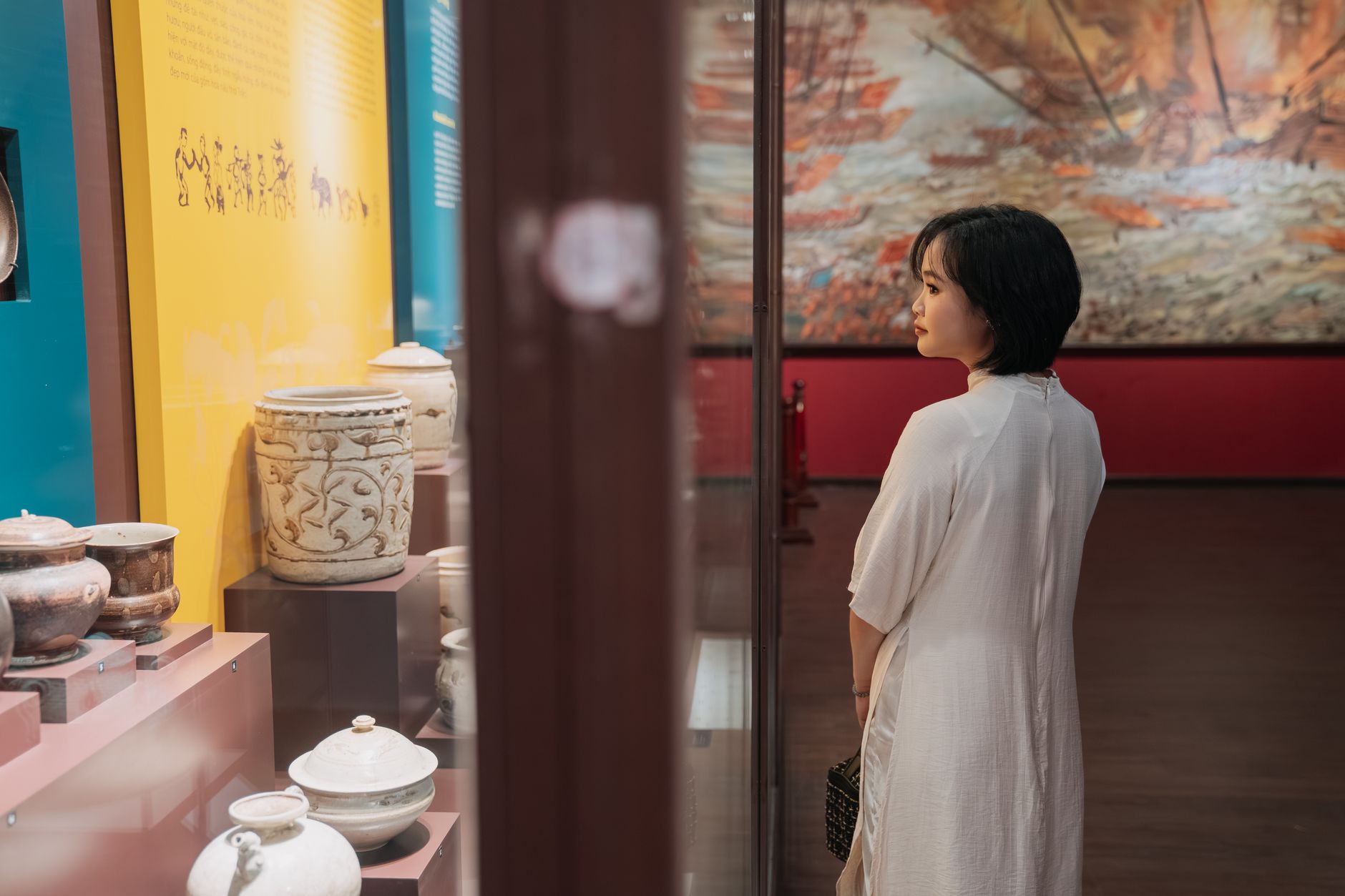
Educational and Research Opportunities in Doha’s Museums
Museum Studies and Training Programs
Qatar University and Hamad Bin Khalifa University offer graduate programmes in museum studies, heritage management, and art history. These programmes often include internships at local museums, giving students hands‑on experience. ICOM Qatar collaborates with these universities to provide guest lectures, workshops, and field trips.
Research Collaborations
Museums in Doha actively collaborate with international research institutions. For example, the National Museum of Qatar partners with the University of Copenhagen on archaeological research in the desert. The Museum of Islamic Art has a joint research programme with the University of Oxford to study the chemistry of Islamic ceramics. These collaborations advance knowledge in conservation science and museology.
The Future of Museums in Qatar: Vision and Challenges
Expanding the Museum Network
Qatar’s cultural sector is part of the Qatar National Vision 2030, which prioritises cultural development. New museum projects include the Lusail Museum (dedicated to Orientalist art), the Qatar Auto Museum, and the expansion of the 3‑2‑1 Qatar Olympic and Sports Museum. These institutions will further diversify the country’s cultural offerings.
Sustainability and Digital Transformation
Climate adaptation is a pressing challenge for museums in the Gulf region. Museums are investing in energy‑efficient climate control systems and sustainable building materials. Digital transformation is also a priority: virtual tours, augmented‑reality apps, and online collections databases are being developed to reach global audiences. The ICOM Qatar website provides resources on digital strategies for museums.
Conclusion: Your Role in Shaping Qatar’s Cultural Heritage
Qatar museums doha thrive because of the dedication of professionals who uphold ethical standards, share knowledge, and engage with the community. ICOM Qatar invites you to become part of this vibrant network. By joining, you contribute to the preservation and promotion of Qatar’s cultural heritage while advancing your own career. Act now: visit the ICOM Qatar website to learn about membership, upcoming events, and professional development opportunities. Together, we can ensure that Doha’s museums remain world‑class institutions for generations to come.
For further reading, consult the ICOM Code of Ethics for Museums, the UNESCO World Heritage Centre, and the Qatar National Vision 2030 document. For authoritative information on museum standards, visit the Qatar Museums Authority.